tricksters, martyrs, and letting go of the addiction to creative suffering
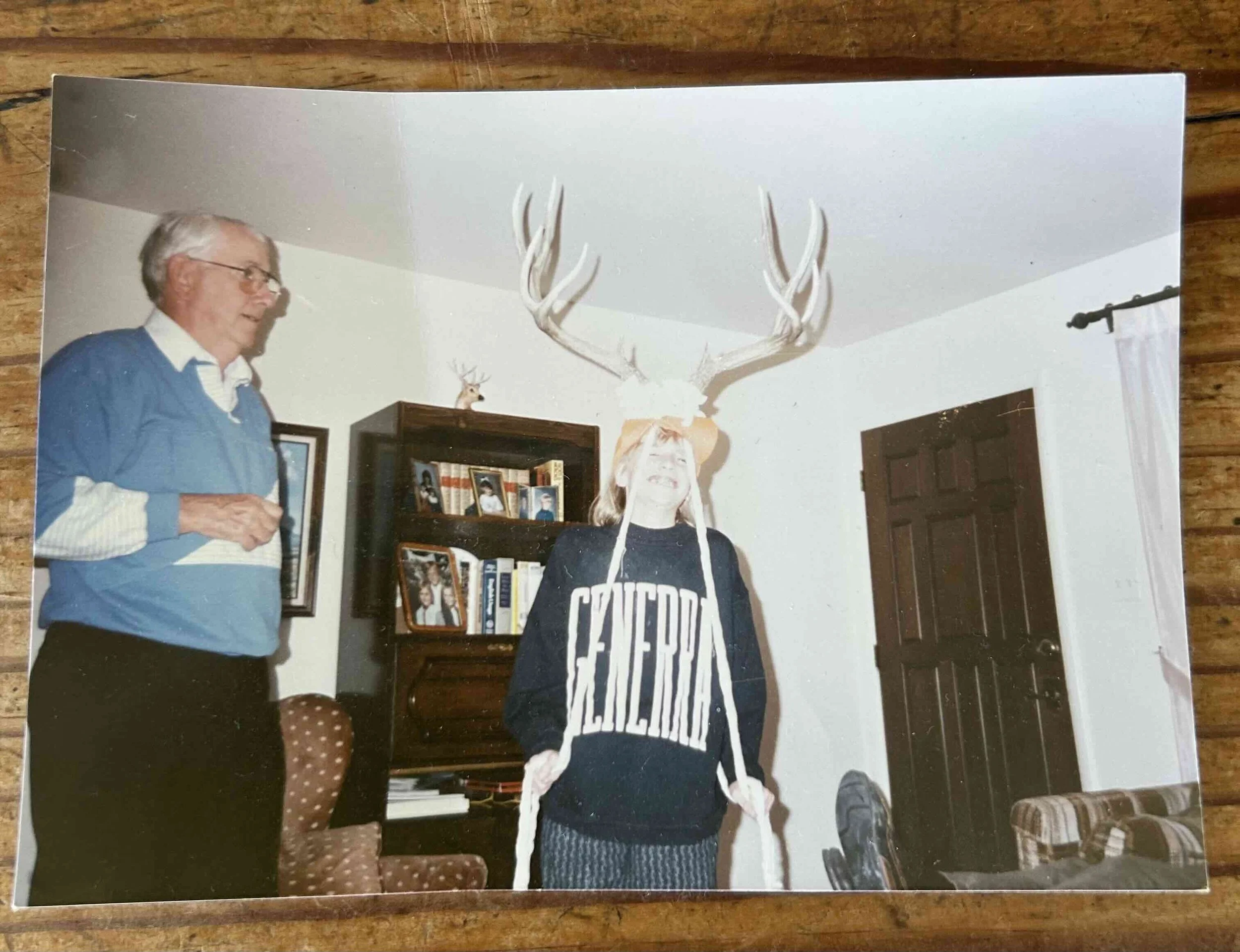
Me and my grandpa doing some shenanigans
When I first read Elizabeth Gilbert’s passage on trickster vs. martyr energy in her book Big Magic, it was a game-changer (boy, was I knee-deep in believing the trope about the suffering and starving artist at that point in my life). Gilbert writes:
“But in order to let go of the addiction to creative suffering, you must reject the way of the martyr and embrace the way of the trickster….Martyr energy is dark, solemn, macho, hierarchical, fundamentalist, austere, unforgiving, and profoundly rigid. Trickster energy is light, sly, transgender, transgressive, animist, seditious, primal and endlessly shape-shifting….Creativity was born out of trickster energy—creativity flips the world upside down. The most wonderful thing about a good trickster is that she trusts. It may seem counterintuitive to suggest this, because she can seem so slippery and shady, but the trickster is full of trust. She trusts herself, obviously. She trusts her own cunning, her own right to be here, her own ability to land on her feet in any situation. To a certain extent, of course, she also trusts other people. But mostly, the trickster trusts the universe. She trusts in its chaotic, lawless, ever-fascinating ways—and for this reason, she does not suffer from undue anxiety. She trusts that the universe is in constant play and specifically, that it wants to play with her!”
I still love this passage and am so grateful for how it helped me let go of the idea of romanticized creative suffering and start to look for ways to trust myself and take off the pressure in my creative work. But in the process of being so grateful for Gilbert naming the power of trickster energy, I kind of threw the baby out with the bathwater and began to really belittle anything that felt like martyr energy or self-sacrifice. As I did more spiritual healing, I began to come back around to this idea, but with a larger vision.
Now I think that the real martyr archetype is actually a very sacred and rare kind of energy and there are times when we are being called to hold a higher note and consciously choose to offer or sacrifice something for a larger purpose, but this is not to be confused with the much more common and grim martyr syndrome that Gilbert is describing.
And actually, I think the same distinction needs to be made for trickster energy—there is “real” trickster energy and there is the fake version calling itself a trickster. In Lewis Hyde’s book Trickster Makes the World, he writes about how the trickster archetype must act within a sacred context, and without this larger context or purpose, she becomes just a wanderer or a thief:
“…Trickster isn’t a run-of-the-mill liar and thief. When he lies and steals, it isn’t so much to get away with something or get rich as to disturb the established categories of truth and property and, by so doing, open the road to possible new worlds.”
And author and spiritual teacher Cynthia Bourgeault talks about “imaginal cunning” in her teaching on “métis”, which I think is also a kind of real trickster energy that is concerned with a larger vision. She says that when we can access this quality, we leverage a kind of compassionate imaginal cunning which is key to navigating the space between contemplation and action and which restores wholeness where wholeness is at risk of being broken.
So I’ve had to revise my earlier understanding. For both the trickster and the martyr energy, I don’t see them as opposites and I don’t want to just dismiss anything that looks like self-sacrifice or revere anything just because it looks subversive. I think the task is to know how to consciously discern what is needed in a given situation and how to skillfully work with these energies within that larger sacred context—to try and do our part to “restore wholeness where wholeness is at risk of being broken.”
What do you think? Have you experimented with trickster energy in your creative work? Or have you had this kind of experience with books you loved that really changed your life and then you’ve had to go back and edit/revise your understanding? I’d love to hear.
With care,
Brianna
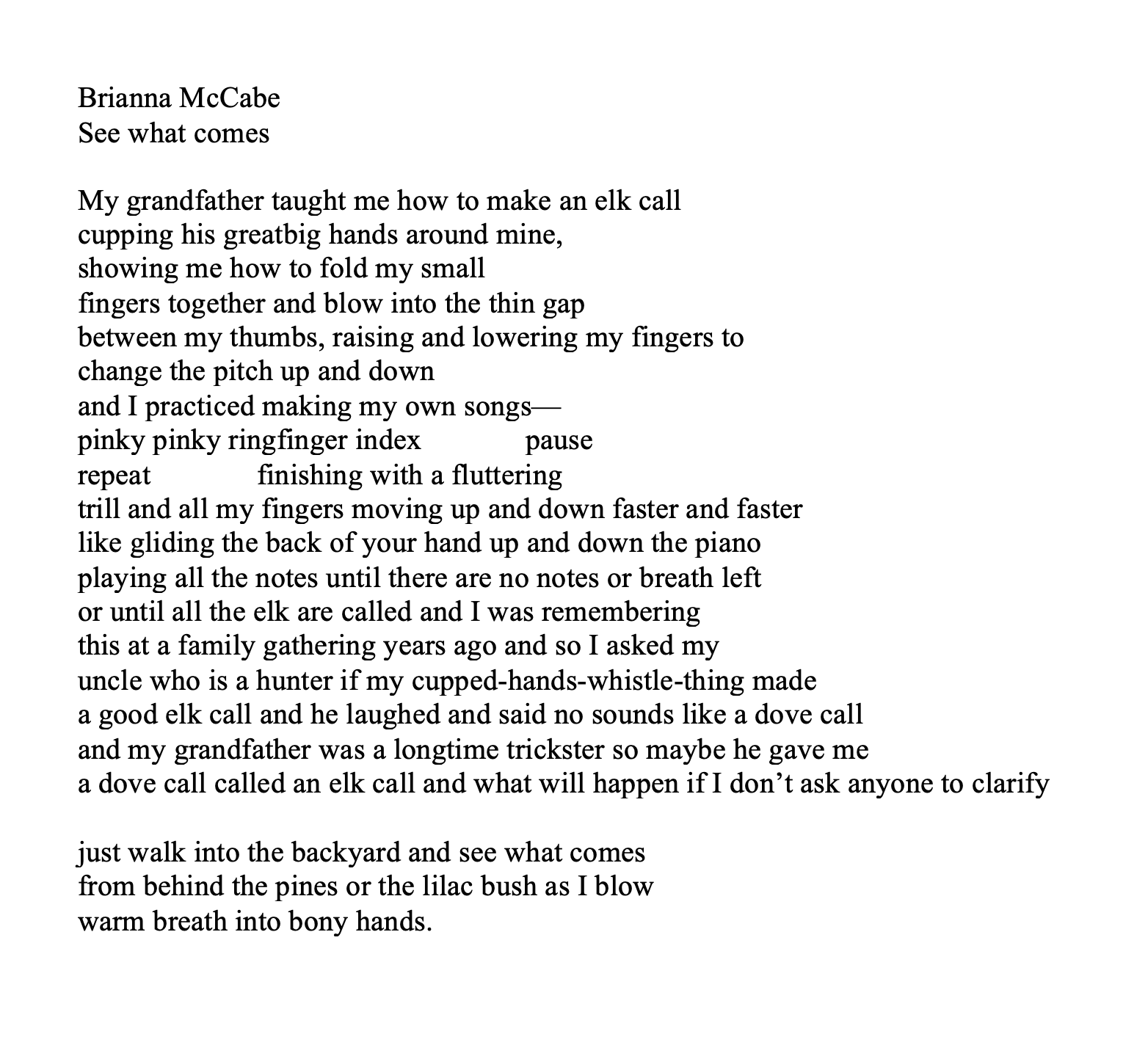
P.S. And a poem I wrote about my grandpa (from the photo above), who was a trickster working within the larger context of our family and community, I think.